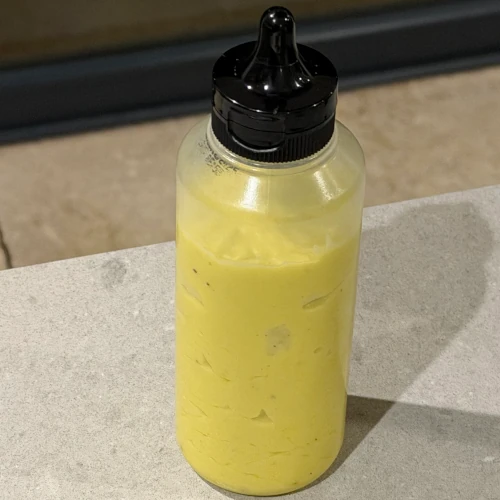
This creamy vegan mayonnaise uses aquafaba instead of eggs for a light, silky texture. A healthy, dairy-free condiment made in minutes.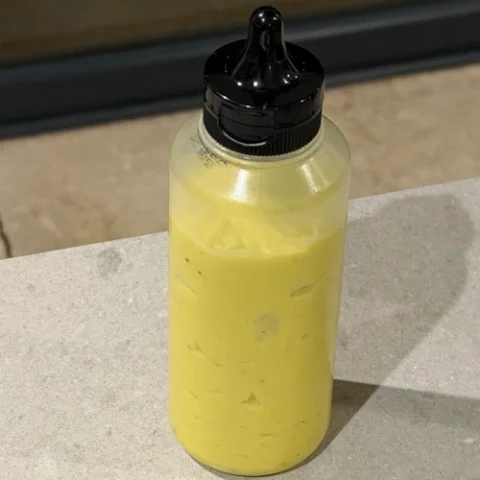
Vegan Mayonnaise
Ingredients
Instructions
Nutrition Information:
Yield: 50
Serving Size: 1
Amount Per Serving:Calories: 2Total Fat: 0gSaturated Fat: 0gUnsaturated Fat: 0gSodium: 1mgCarbohydrates: 0g
The Origins of Mayonnaise
Classic mayonnaise is believed to have originated in France in the mid-18th century, often linked to the town of Mahón in Menorca. Traditionally, it relies on egg yolks as an emulsifier to bind oil and acid together into a thick, creamy sauce. While delicious, conventional mayonnaise is high in cholesterol and unsuitable for vegan or egg-free diets.
Enter aquafaba – the liquid found in tins of chickpeas. Discovered by vegan cooks in the early 2010s, aquafaba mimics egg whites remarkably well, making it perfect for emulsions, mousses and even meringues. Today, it has become a staple ingredient in plant-based kitchens.
Why Aquafaba Works
Aquafaba contains starches and proteins released from chickpeas during cooking. These compounds stabilise oil-water mixtures, just as egg yolks do in traditional mayonnaise. When whisked, aquafaba traps air, creating a structure that thickens beautifully as oil is added gradually.
Adding a small amount of xanthan gum improves stability and ensures a thick, spoonable consistency that holds up well in the fridge.
Is Vegan Mayonnaise Healthy?
Compared to conventional mayonnaise, this vegan version has several advantages:
- Cholesterol-free, as it contains no eggs
- Lower in saturated fat, depending on the oil used
- Suitable for allergies, including egg and dairy intolerance
- Rich in healthy fats, especially when made with olive oil
Olive oil provides monounsaturated fats, which support heart health and reduce inflammation. Dijon mustard also contains antioxidants and adds depth of flavour without added sugar.
Fun Facts About Aquafaba
- The word aquafaba comes from Latin: aqua (water) and faba (bean).
- It can be whipped into stiff peaks just like egg whites.
- Aquafaba is now used in vegan baking, cocktails, marshmallows and even vegan butter.
Beyond Mayonnaise: Other Plant-Based Condiments to Try
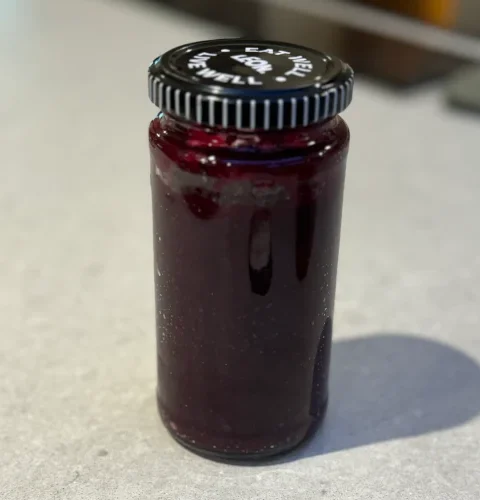
Once you master vegan mayonnaise, the world of plant-based condiments opens up beautifully. One standout example is beetroot ketchup, a vibrant and naturally sweet alternative to traditional tomato ketchup.
Beetroot ketchup delivers:
- A deep ruby colour
- Natural sweetness without refined sugar
- Antioxidants such as betalains
- A lower glycaemic impact than standard ketchup
Other popular plant-based condiments include cashew cream sauces, tahini dressings, avocado crema and hummus-based spreads. These alternatives not only add flavour but also boost fibre and nutrient intake.
Famous French Condiments (Vegan or Not)
French cuisine is renowned for its sauces and condiments, many of which inspire modern vegan adaptations:
- Mayonnaise – now easily veganised using aquafaba
- Aioli – traditionally garlic and egg-based, often recreated with plant milk or aquafaba
- Vinaigrette – naturally vegan and a cornerstone of French salads
- Béarnaise – typically butter and egg-based, but increasingly recreated with plant fats
- Mustard (Dijon) – naturally vegan and globally recognised
- Rouille – bold Provençal condiment made with garlic, olive oil and chilli, traditionally served with bouillabaisse and easily adapted into a vegan, egg-free sauce.
These condiments form the backbone of French cooking, and modern plant-based chefs continue to adapt them without sacrificing authenticity or flavour.
How to Use Vegan Mayonnaise
This aquafaba mayonnaise is incredibly versatile. Use it:
- In sandwiches and wraps
- As a base for vegan aioli or garlic mayo
- In potato salads and coleslaw
- Mixed with herbs for salad dressings
For a lighter dressing, try thinning it with a splash of water or lemon juice.
Storage Tips
Store your vegan mayonnaise in an airtight container in the fridge and use it within 5 days. Because it contains no preservatives, freshness is key.