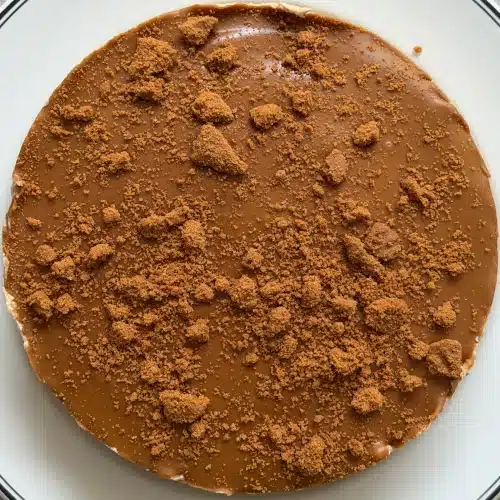
Make this easy vegan Biscoff cheesecake with a crunchy cookie crust, creamy filling & Biscoff spread topping. No-bake, dairy-free & irresistible! Biscoff Cookie Crust Biscoff Cheesecake Filling Biscoff Toppings
No-Bake & Dairy-Free Easy Vegan Biscoff Cheesecake
Ingredients
Biscoff Cookie Crust
Biscoff Cheesecake Filling
Biscoff Toppings
Instructions
Nutrition Information:
Yield: 8
Serving Size: 1
Amount Per Serving:Calories: 7969Total Fat: 344gSaturated Fat: 176gUnsaturated Fat: 168gCholesterol: 163mgSodium: 5943mgCarbohydrates: 1183gFiber: 20gSugar: 626gProtein: 105g
What Is Biscoff?
Before we dive into the cheesecake itself, it is worth taking a moment to appreciate the star of the show. Biscoff is the brand name for Lotus Bakeries‘ iconic caramelised biscuit — a thin, crunchy, amber-coloured treat with a distinctive spiced sweetness that has taken the world by storm. The name itself is a portmanteau of biscuit and coffee, because these little biscuits were traditionally served alongside a cup of coffee in Belgian cafés.
Today, Biscoff exists in two irresistible forms: the classic crunchy cookie and the smooth, spreadable Biscoff cookie butter — both of which make an appearance in this recipe. The spread has a texture similar to peanut butter but carries those unmistakable notes of caramel, cinnamon, and warm spice. Spread over the top of a chilled cheesecake, it creates a glossy, indulgent layer that sets the whole dessert off beautifully. If you love our vegan chocolate tart or our no-bake vegan desserts, this recipe will slot straight into your favourites.
The Belgian Roots of Biscoff
There is something wonderfully poetic about the origins of Biscoff. The story begins in 1932 in the small Flemish village of Lembeke, Belgium, where a baker named Jan Boone Sr. set up Lotus Bakeries with the ambition of recreating the traditional speculoos — spiced biscuits historically given to Belgian children on Sint Niklaas Day (6th December). His recipe used nothing but natural ingredients, and the cookies were originally sold from a distinctive red truck.
By the 1950s, Lotus biscuits were being individually wrapped in their now-iconic red packaging and served in cafés and railway stations across Belgium, France, and the Netherlands. Their combination of cinnamon, ginger, and nutmeg made them an ideal companion to coffee, and their reputation spread quickly. The big leap across the Atlantic came in the 1980s, when the cookies were renamed Biscoff for the American market and began appearing on airlines as the perfect in-flight snack. According to Wikipedia’s entry on Lotus Bakeries, the company is still family-owned and based in its hometown — a testament to the enduring quality of Jan Boone’s original vision.
In 2007 (some sources suggest 2008), Lotus introduced the Biscoff spread — a smooth, spreadable version of the beloved biscuit — and the world of desserts has never been the same since.
Why Biscoff Is Naturally Vegan
Here is a fact that delights many plant-based cooks for the first time: the original Lotus Biscoff cookies and Biscoff spread are both certified vegan-friendly. The classic cookie contains no eggs, no dairy, and no animal by-products. The ingredient list is refreshingly simple — wheat flour, sugar, vegetable oils, brown sugar syrup, sodium bicarbonate, soy flour, salt, and cinnamon. As the official Lotus Biscoff website confirms, the cookies are made with non-GMO ingredients, no artificial colours or flavours, and no preservatives.
It is worth noting that the chocolate varieties of Biscoff cookies do contain dairy, so always reach for the classic red-wrapped biscuit when baking vegan. The palm oil in Biscoff products is RSPO (Roundtable on Sustainable Palm Oil) certified, which means Lotus Bakeries is committed to responsible sourcing — a small but meaningful detail for environmentally conscious bakers.
This naturally vegan status is part of what makes Biscoff such a brilliant base for plant-based desserts. Paired with vegan cream cheese, vegan butter, and dairy-free whipped cream, as in this vegan Biscoff cheesecake, the result is a dessert that requires absolutely no compromise on flavour or texture. For more ideas on using store-cupboard plant-based staples, browse our vegan baking recipes.
The Health Benefits Hidden in Your Cheesecake
Now, a cheesecake is an indulgence — and a joyful one at that. But it is rather pleasing to know that the cinnamon woven through every Biscoff biscuit in this recipe carries some genuine nutritional merit. According to Healthline’s review of cinnamon’s health benefits, cinnamon is rich in polyphenol antioxidants — compounds that help protect the body from oxidative damage caused by free radicals. Research also suggests that cinnamon has anti-inflammatory properties, with some studies showing it can reduce inflammatory markers such as C-reactive protein.
Cinnamon has additionally been associated with supporting blood sugar management by slowing the breakdown of carbohydrates and improving insulin sensitivity. Of course, the quantities in a single slice of cheesecake are modest, but every little helps! The fact that this cheesecake is entirely dairy-free also means it is naturally lactose-free and kind to those with dairy intolerances. Using a cashew- or coconut-based vegan cream cheese (such as Violife, which we recommend in this recipe) adds healthy plant-based fats, making this a more gut-friendly option than its traditional counterpart.
Fun Facts About Biscoff
Before you get baking, here are a few fascinating titbits about the world’s most famous caramelised biscuit:
- Biscoff is sold in over 70 countries. From Belgium to Japan, these little biscuits have genuinely conquered the globe — all from one small bakery in Lembeke.
- Airlines made Biscoff famous in the USA. The brand broke into the American market largely through in-flight catering in the 1980s and 1990s, earning the tagline “Europe’s Favourite Cookie with Coffee.”
- The name is a blend of two words. Bis from biscuit and coff from coffee — simple, elegant, and perfectly descriptive.
- The biscuit’s design is centuries old. The speculoos tradition it is based on dates back to the feast of Sint Niklaas, a beloved Belgian and Dutch cultural celebration on 6th December each year.
- Biscoff spread launched a global dessert trend. Once Lotus introduced the spreadable version, food bloggers and home bakers began incorporating it into cheesecakes, brownies, truffles, and ice cream at an extraordinary rate — helping to cement Biscoff as a modern baking staple.
Tips for the Perfect Vegan Biscoff Cheesecake
A few simple tips will help you get the very best results from this recipe:
Use room-temperature vegan cream cheese. Cold cream cheese can result in a lumpy filling, so take it out of the fridge at least 30 minutes before you begin. We used Violife, which whips up beautifully smooth.
Press your crust firmly. Use the back of a spoon or the base of a glass to pack the Biscoff cookie crumb tightly into the springform tin. A loose crust will crumble when you slice the cheesecake.
Chill overnight if possible. Four hours in the fridge sets the cheesecake, but an overnight chill gives a firmer, more defined slice — ideal if you are serving guests.
Warm the Biscoff spread briefly. Ten to fifteen seconds in the microwave makes the spread just pourable enough to create that gorgeous, even topping layer. Work quickly and use an offset spatula for a clean finish.
Decorate just before serving. Crushed Biscoff crumbs on top look stunning but can soften over time, so add the final garnish just before you bring the cheesecake to the table.
How to Serve and Store
This vegan Biscoff cheesecake serves 8 generously, making it perfect for gatherings. Serve it straight from the fridge for the cleanest slices, using a sharp knife dipped in warm water between each cut. It pairs beautifully with a strong cup of coffee or a pot of builder’s tea — honouring the original Biscoff tradition.
For storage, cover the cheesecake loosely with cling film or place it in an airtight container, then refrigerate for up to 4 days. The cheesecake also freezes well — wrap individual slices in cling film and freeze for up to one month. Defrost in the fridge overnight before serving.
If you enjoy no-bake vegan desserts, you might also love our vegan sticky toffee pudding or our vegan rice pudding — both rich, comforting, and completely plant-based.
Now, scroll up to the recipe card, gather your ingredients, and get ready to make the best vegan Biscoff cheesecake of your life. You will not regret it.