


Biscoff Energy Balls
These Biscoff Balls are a dream come true for anyone who loves that rich, caramelised, spiced flavour of Biscoff spread. Originally inspired by Belgian speculoos cookies, Biscoff has become a cult favourite—especially among endurance athletes looking for indulgent, high-energy snacks. Combined with oats, dates, and seeds, this no-bake recipe delivers a satisfying bite that's perfect for pre-ride fuel, post-workout recovery, or just a moment of plant-based joy. Easy to prep and dangerously moreish, they’re proof that performance snacks can taste like dessert.
Ingredients
- 200 g (7 oz) rolled oats
- 150 g (5 oz) Medjool dates
- 100 g (3½ oz) agave syrup
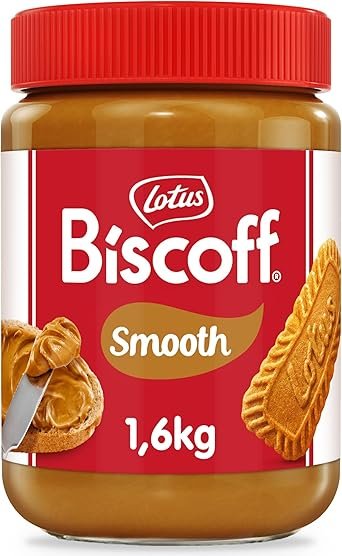
- 100 g (3½ oz) Biscoff spread
- 20 g (¾ oz) flax and hemp seeds
- pinch of salt
- 15 g (½ oz) desiccated coconut
Instructions
- Put the oats and dates in a food processor and pulse to a smoothish paste.
- Add the agave syrup and Biscoff spread, and incorporate well.
- Stir in the seeds and salt.
- Roll into 40 g (1½ oz) balls.
- Roll the balls in the desiccated coconut.
- Store in an airtight container in the fridge for up to 2 weeks.
Recommended Products
As an Amazon Associate and member of other affiliate programs, I earn from qualifying purchases.
Nutrition Information:
Yield: 16 Serving Size: 1Amount Per Serving:Calories: 4052Total Fat: 74gSaturated Fat: 28gTrans Fat: 0gUnsaturated Fat: 40gCholesterol: 0mgSodium: 585mgCarbohydrates: 798gFiber: 66gSugar: 295gProtein: 83g
Biscoff Energy Balls: A Naturally Powerful No-Bake Snack
Biscoff Energy Balls are the perfect example of how a simple, well-loved ingredient can be transformed into a nourishing, modern snack. With their rich caramel flavour and soft texture, these no-bake treats are ideal for busy days, post-workout fuel, or a healthier sweet bite. But before Lotus Biscoff became a global pantry staple, it had a fascinating journey rooted in tradition, clever branding, and smart diversification.
The origins of Biscoff
Biscoff originates from Belgium, where it was first created in 1932 by Lotus Bakeries. The original product, known locally as speculoos, was designed to be enjoyed with coffee. In fact, the name “Biscoff” comes from a blend of biscuit and coffee.
Made with simple ingredients and warm spices, the biscuit quickly became popular across Europe. According to Lotus Bakeries, the recipe has remained essentially unchanged for decades, helping preserve its distinctive flavour and loyal fanbase.
If you enjoy snacks inspired by traditional European flavours, you might also like my healthy vegan snack recipes.
From biscuit to global success
For many years, Biscoff was mainly served in cafés, airlines, and restaurants as a complimentary biscuit with hot drinks. This clever placement strategy helped embed the brand into everyday rituals. Over time, the biscuit gained cult status, especially as international travel increased.
The real turning point came with the launch of Biscoff spread. Fans had reportedly been grinding the biscuits at home to create their own spread, and the company responded by officially releasing it. As reported by the Financial Times, the spread transformed the company from a traditional biscuit maker into a global snacking brand, driving international growth and opening the door to new product categories.
This innovation paved the way for recipes like biscoff energy balls, where the spread adds instant flavour without baking.
Smart diversification and modern appeal
Today, Lotus Bakeries offers a wide range of Biscoff products, including spreads, ice creams, sandwich biscuits, and snack bars. Importantly for plant-based eaters, many Biscoff products are accidentally vegan, which has helped fuel their popularity within the vegan community.
Diversification has allowed Biscoff to move beyond indulgence and into functional snacking. By pairing Biscoff spread with oats, seeds, or nuts, recipes like biscoff energy balls balance pleasure with nutrition. If you’re looking for more no-bake ideas, explore my vegan energy balls collection.
Are Biscoff energy balls a healthy snack?
While Biscoff spread is still a sweet ingredient, energy balls made at home can be part of a balanced diet. Oats provide slow-release carbohydrates and fibre, nuts contribute healthy fats, and dates or seeds add natural sweetness and minerals.
According to the British Nutrition Foundation, combining carbohydrates with fats and fibre helps maintain steady energy levels. That makes biscoff energy balls a smarter option than ultra-processed snacks or refined sugar treats.
They are especially popular with endurance athletes and active lifestyles, much like my vegan snacks for training days.
Fun facts about Biscoff
- Biscoff biscuits are served on millions of flights every year
- The spread was launched after fans voted for it on a Belgian TV show
- Biscoff is sold in more than 50 countries worldwide
- The flavour is often described as caramelised biscuit with hints of cinnamon
- Biscoff biscuits are vegan-friendly despite tasting buttery
Why biscoff energy balls work so well
The magic of biscoff energy balls lies in contrast. The deep, caramelised flavour of Biscoff pairs beautifully with the neutral base of oats and the richness of nuts. They require no baking, store well in the fridge, and are easy to portion—making them ideal for meal prep.
Whether you’re new to plant-based snacking or already a fan, these energy balls prove that familiar flavours can still support a modern, nourishing lifestyle.



[…] you’re interested in experimenting with other fueling options, check out my Biscoff Energy Balls and Flapjacks Recipe—both designed with endurance athletes in […]
[…] Biscoff Energy Balls […]